CTE Programs
Help administrators, families, and employer partners see what students actually demonstrated in the pathway.
View solutionArchive Origin helps schools, training programs, and employers show real skill in a form other people can understand and trust.
One platform. Multiple pathways. Multiple ecosystems.
A real student task, shown step by step.
A completed CTSO demonstration showing security analysis, administration, documentation, and review outputs.
Choose the audience that needs a clearer view of student performance.
Help administrators, families, and employer partners see what students actually demonstrated in the pathway.
View solutionGive faculty and outside reviewers something stronger than lab grades, practicum notes, and clinical checklists.
View solutionGive students proof they can carry into hiring, transfer, and advisory-board conversations.
View solutionGive providers and workforce boards one evidence model across cohorts, grants, and reporting cycles.
View solutionGive mentors and sponsors a visible record of progression, milestones, and observed task performance.
View solutionGive hiring teams task evidence and context instead of forcing them to rely on polished claims alone.
View solutionGive advisors, judges, and sponsors reviewable proof of competitive performance and chapter outcomes.
View solutionHelp programs preserve capstones, studios, labs, and applied research after the course shell closes.
View solutionLab checks, technical tasks, and team-based applied learning can all be shown clearly.

Capture the work faculty and outside reviewers actually need to see.
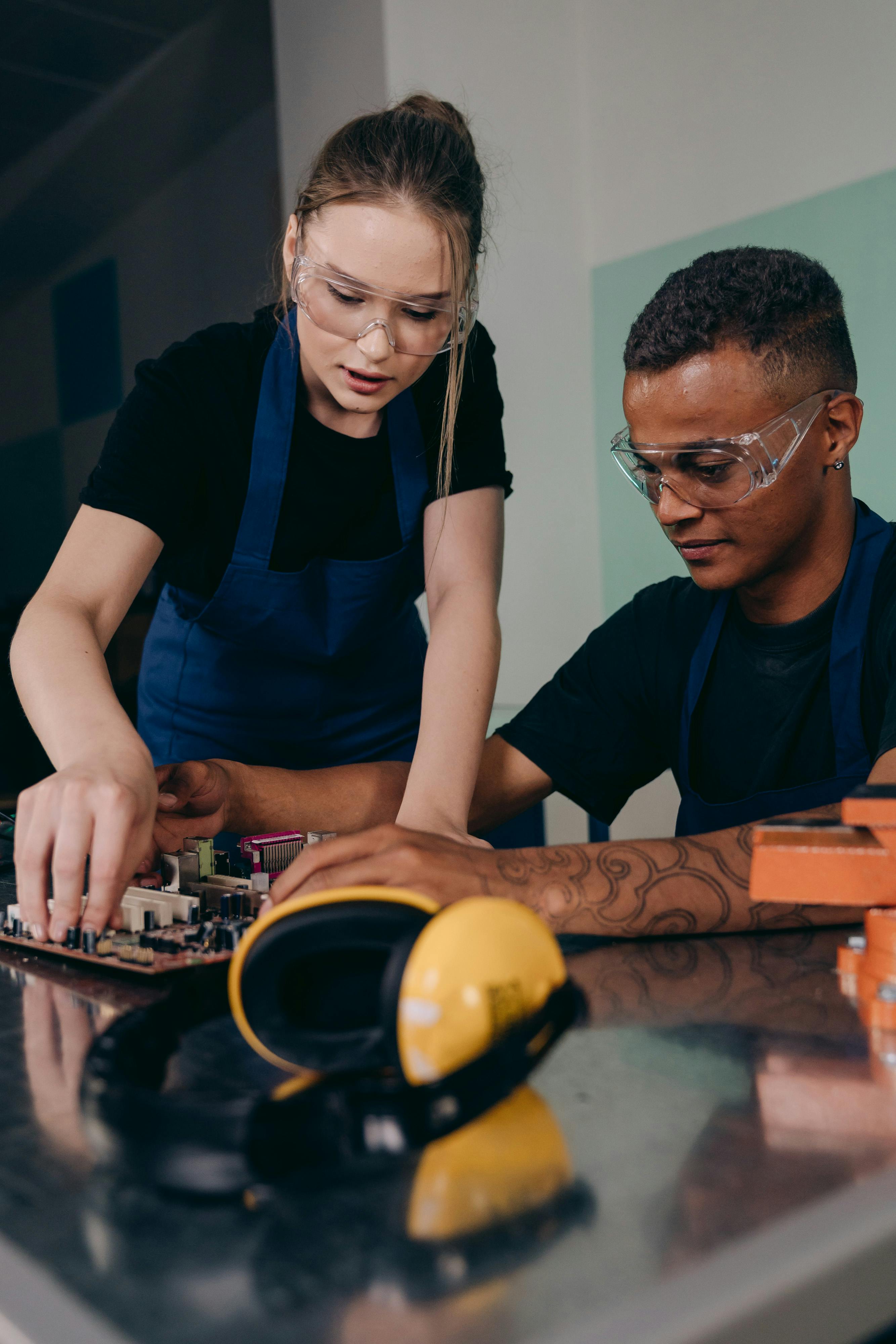
Show how students plan, build, and solve problems together.
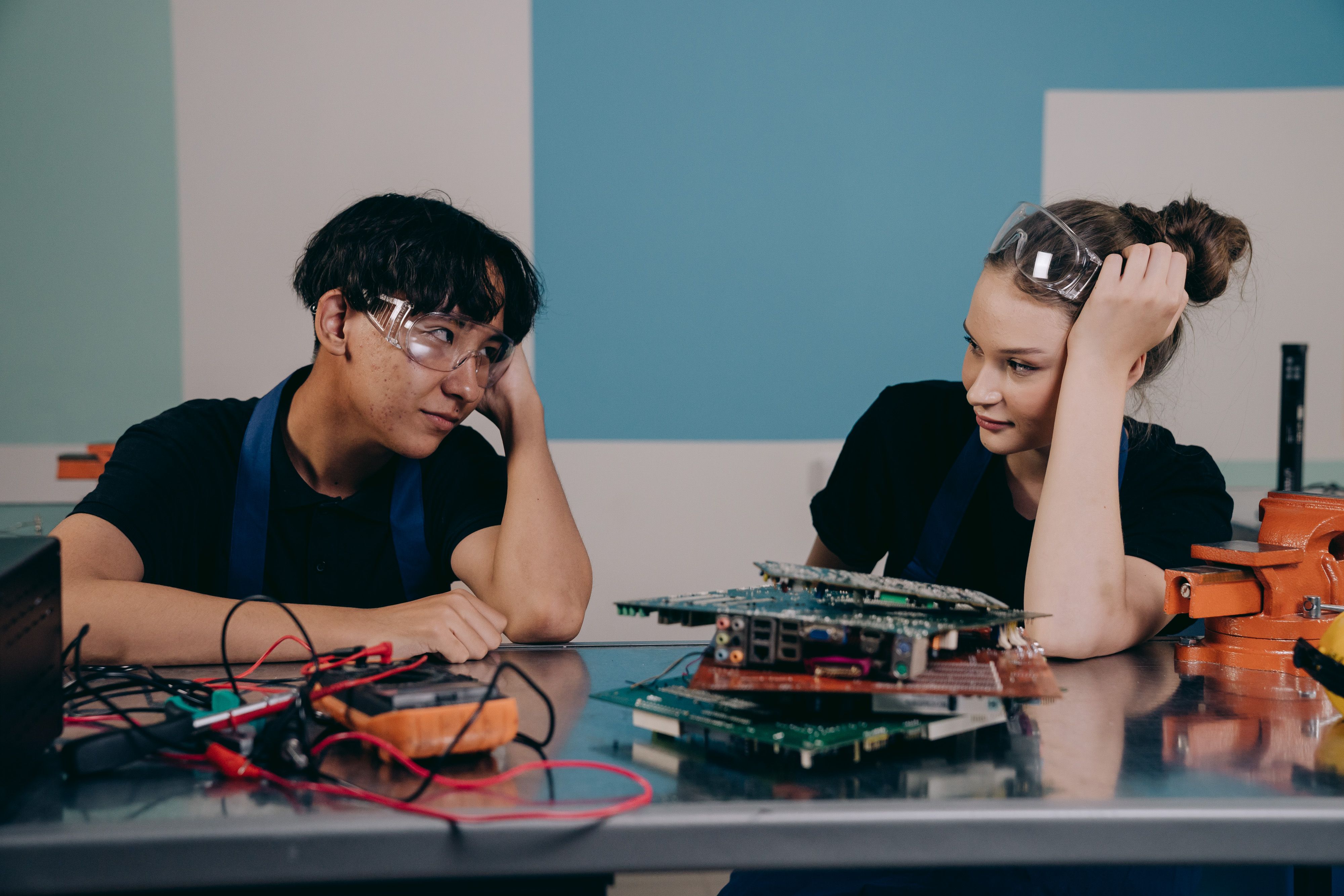
Document practical skill with tools, devices, and real equipment.
Not another disconnected upload folder. Something a teacher, family, employer, or judge can open and understand quickly.
A short, reviewable page that shows what the student actually did.
Video, context, and supporting material stay connected instead of getting scattered.
Competencies are linked to demonstrated performance, not just a claim on a resume.
Students leave with material they can use in hiring, admissions, and program review.
The audience changes. The need does not. They need to see what the student did, what the task was, and why the work matters.
See whether student work holds up beyond a gradebook entry or checklist.
Review demonstrated ability instead of relying on polished claims alone.
Open a short record that shows the task, the steps, and the result without digging through files.
Sometimes the fastest way to understand a student's ability is to watch the work in sequence.
Watch a technical-college tire-service workflow broken into short, step-by-step clips.
Open skill demonstrationAs generated work becomes easier to fake, schools and employers need better ways to document real performance.